Disease Model

Medical criteria for diagnosis – DSM-5
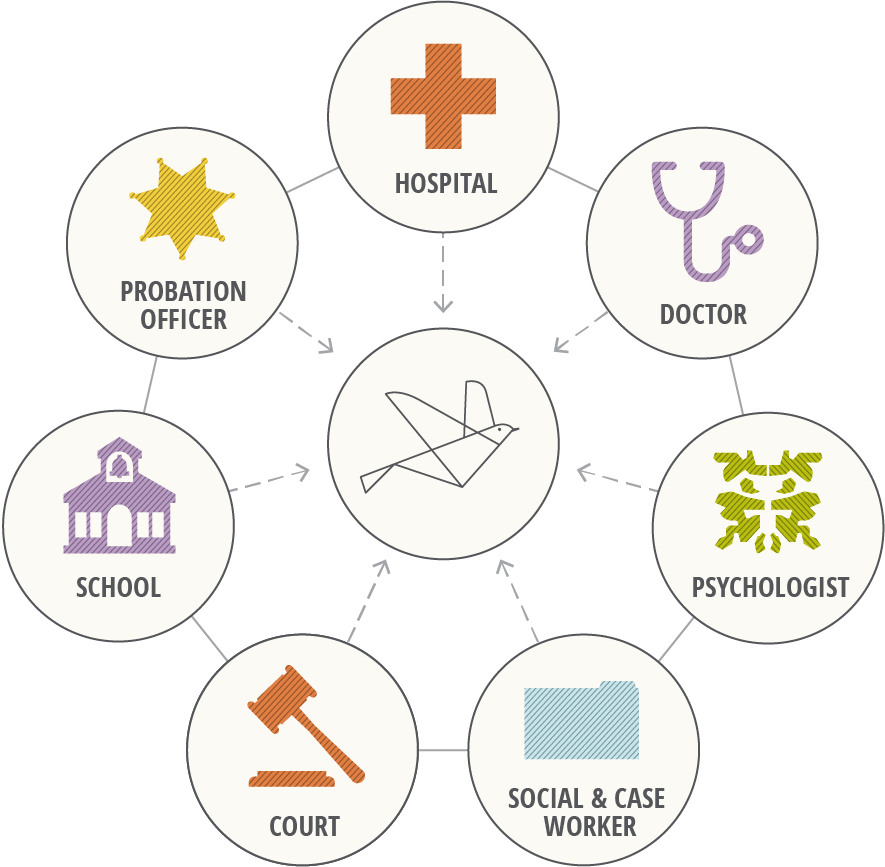
The prospective client and parents are interviewed and collateral information is collected from all possible sources, i.e., hospitals, physicians, psychologists, social workers, case workers, schools, courts and probation officers. All clients who are admitted to treatment are independently assessed.
DSM-5 criteria for the assessment of Substance Use Disorders are as follows:
Experiencing the following over the past 12-month period:
Taking the substance in larger amounts or over a longer period than was intended.
There is a persistent desire or unsuccessful efforts to cut down or control use of the substance.
A great deal of time is spent in activities necessary to obtain, use, or recover from the effects of the substance.
Cravings or strong urges to use the substance.
Recurrent use of the substance resulting in a failure to fulfill major role obligations at work, school, or home.
Continued substance use despite having persistent or recurrent social or interpersonal problems caused or exacerbated by the effects of the substance.
Important social, occupational, or recreational activities are given up or reduced because of substance use.
Recurrent use of the substance in situation in which it is physically hazardous.
Substance use is continued despite knowledge of having a persistent or recurrent physical or psychological problem that is likely to have been caused or exacerbated by the substance.
Tolerance, as defined by either of the following:
A need for markedly increased amounts of substance to achieve desired effect.
A markedly diminished effect with continued use of the same amount of substance.
Withdrawal
Severity of SUD
Mild: The presence of 2 to 3 symptoms
Moderate: The presence of 4 to 5 symptoms
Severe: The presence of 6 or more symptoms
The typical AARC client assesses at the moderate to severe range of SUD.
You can read more about DSM 5 here.
Prior to admission to AARC, it is almost always the case that the client will have been seen by another professional, independent of AARC.
PChAD Act
The client may also be considered on legal grounds, especially the Protection of Children Using Drugs Act (PChAD) which states that an a client could be confined for 10 days by their guardian if their condition ‘has caused or is likely to cause significant psychological or social harm to the child or physical harm to the child or others.’ Find out more about PChAD here.

Change a life with your donation
Every donation can be life-changing at AARC. We’re helping young people and their families at their lowest ebb — often, we’re the last chance for recovery. Your donation is a gift of hope.